
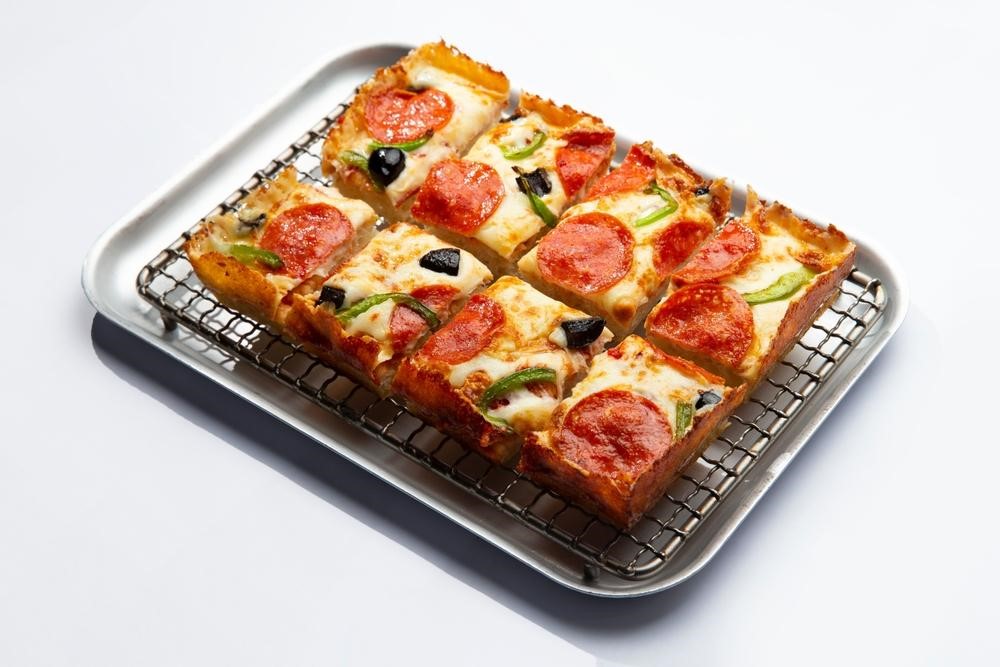
Detroit-style pizza, a beloved regional variation of the classic Italian dish, has a rich history that intertwines innovation with tradition. This unique style of pizza, recognized by its rectangular shape, thick crust, and distinctive toppings, emerged from Detroit’s vibrant culinary scene in the mid-20th century, reflecting the city’s ability to blend cultural heritage with inventive twists.
The origins of Detroit-style pizza trace back to the post-World War II era, a time of significant change and growth in American cities. Italian immigrants, who had brought their culinary traditions to the United States, were settling in Detroit and contributing to its evolving food culture.
Among these immigrants was Gus Guerra, an Italian-American entrepreneur with a passion for pizza and a drive to create something distinctive. In 1946, Guerra opened a pizzeria named Buddy’s Rendezvous in Detroit. It was here that the now-iconic Detroit-style pizza began to take shape.
Guerra’s approach to pizza-making was unconventional for its time. Instead of sticking with the traditional round pizza, he decided to experiment with a rectangular pan, which was originally used in the automotive industry to hold parts. This choice was both practical and innovative.
The rectangular pan provided a larger surface area and allowed for a thicker, more substantial crust. This departure from tradition resulted in a pizza that offered a unique texture and flavor profile, setting it apart from other regional styles.
The defining characteristics of Detroit-style pizza are the result of Guerra’s inventive use of the rectangular pan. The pizza is baked in a well-oiled pan, which imparts a crispy, golden-brown crust with a delightful caramelization around the edges. The crust is thick and airy, providing a sturdy base that can hold a generous layer of toppings without becoming soggy.
Unlike traditional pizzas, Detroit-style pizza features cheese that extends all the way to the edge of the pan, allowing the cheese to caramelize against the sides and bottom of the pan, creating a crispy, flavorful cheese crust. This is typically followed by a layer of pepperoni or other meats, with a rich tomato sauce spread over the top just before serving, rather than being baked into the pizza.
This distinctive method of preparation results in a pizza with a unique combination of textures and flavors. The contrast between the crispy, caramelized edges and the soft, airy interior creates a satisfying eating experience. The rich tomato sauce, applied just before serving, adds a burst of acidity and freshness that complements the savory cheese and meats.
Detroit-style pizza began to gain national recognition towards the late 20th and early 21st centuries, driven by a growing interest in regional pizza styles and a broader appreciation for diverse culinary traditions. Its unique characteristics and rich history helped it stand out in the crowded pizza market. The pizza’s rise in popularity was also bolstered by restaurateurs and pizza enthusiasts who embraced the style and introduced it to new audiences across the United States.
A significant milestone in the history of Detroit-style pizza was the proliferation of pizzerias dedicated to this style, both within Detroit and beyond. These establishments played a crucial role in preserving the traditional methods of making Detroit-style pizza while also experimenting with new toppings and variations. The pizza’s reputation grew, leading to its inclusion in the menus of pizzerias across the country, from the East Coast to the West Coast.