
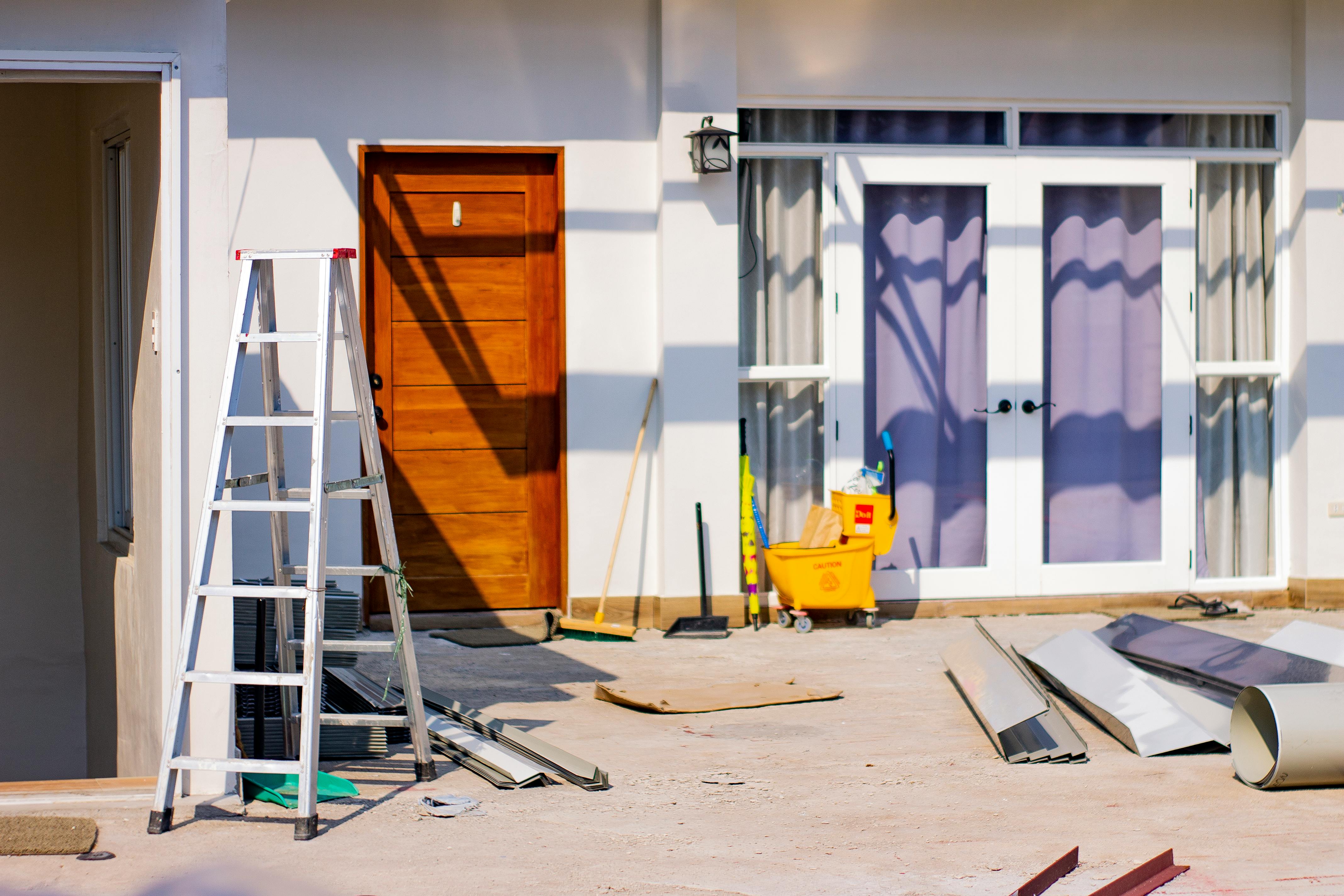
Renovating your home is one of the most rewarding things you can do as a homeowner. Whether you are freshening up a tired kitchen, upgrading a dated bathroom, or reimagining how your living spaces flow, a well-planned renovation adds real comfort to your daily life and genuine value to your property. The challenge, of course, is knowing where to start and how to keep things manageable without blowing your budget or your sanity.
This guide walks through the most important areas of the home and what to think about when tackling each one.
Start With a Plan, Not a Mood Board
The biggest mistake most people make when renovating is jumping straight into choosing finishes and fixtures before they have a clear plan. A mood board full of inspiration images is a great tool, but it needs to sit on top of a practical foundation.
Before spending a single pound, write down what you actually need from each room. How does the space currently fail you? Is your kitchen short on worktop space? Does your bathroom feel cramped because of poorly chosen storage? Is your hallway dark and cluttered? Defining the problem first makes every subsequent decision easier and more purposeful.
Set a budget before you start browsing. It is surprisingly easy to fall in love with a kitchen or bathroom design that is double what you can realistically spend. Knowing your ceiling from the beginning keeps the process grounded.
The Kitchen: Where Function Has to Come First
The kitchen is almost always the most complex room to renovate and the one where compromises are most keenly felt in daily life. It is also the room where good planning pays off most dramatically.
Think about your workflow before choosing a layout. The classic triangle between the hob, sink, and fridge is a useful starting point, but modern kitchens often need more thought around prep space, appliance positioning, and storage for a household with multiple people cooking.
When choosing kitchen furniture and cabinetry, prioritise build quality over aesthetics. Doors and drawer fronts can be swapped relatively easily; the carcass underneath needs to last. Soft-close hinges and full-extension drawer runners might feel like small details, but they make a significant difference to how the kitchen feels to use every day.
Worktop material is another decision that deserves careful thought. Quartz is hardwearing and low maintenance. Solid wood looks beautiful but needs oiling and is vulnerable to water damage near the sink. Laminate has improved enormously in recent years and offers good value if budget is tight.
Lighting in a kitchen is often underestimated. Under-cabinet LED strips, a statement pendant over a kitchen island, and recessed ceiling lights used in combination will make the space feel far more considered than a single overhead fitting.
The Bathroom: A Room That Repays Good Decisions
The bathroom is a room where the quality of what you choose matters enormously because everything in it is exposed to moisture, heat, and daily wear. Poor choices here do not just look bad over time; they can lead to damp, mould, and structural damage that costs far more to fix than better furniture would have cost to buy.
Storage is where most bathroom renovations fall short. People choose a basin and a bath that look good in the showroom and then find there is nowhere to put towels, toiletries, cleaning products, or a hairdryer. Think carefully about your actual storage needs before finalising any layout.
Vanity units that combine a basin with under-sink cupboards or drawers solve the storage problem elegantly while keeping the room looking tidy. Wall-hung options are particularly good in smaller bathrooms because they visually open up the floor space and make cleaning easier. Tall storage units are worth considering if you have vertical wall space to work with.
Material quality is non-negotiable in a bathroom. Standard chipboards will warp in a humid environment. Look for moisture-resistant MDF, solid wood with proper sealing, or PVC-wrapped finishes that can handle the conditions. For anyone in the process of choosing pieces, browsing the range of Bathroom Furniture at Bathrooms and More Store is a practical starting point for comparing styles and build quality across a good range of price points.
Finishing choices in the bathroom have a big impact on how the room feels. Matte finishes are forgiving and photograph well; high gloss reflects light beautifully but shows every watermark. Matching your tap and handling hardware across the whole room ties everything together more than almost any other single decision.
The Living Room: Getting the Balance Right
Living rooms are often renovated last, which is a shame because they are the spaces people spend the most time in. The temptation is to fill them with furniture that looks impressive in isolation, without thinking about how everything will work together in the actual room.
Scale is the single biggest issue in most living rooms. Sofas that are too large for the space, coffee tables that block flow, and storage units pushed against every wall can make even a generously sized room feel oppressive. Measure carefully and resist the urge to fill every corner.
If your living room connects to a dining area, think about how the two zones can feel distinct while still being visually coherent. A rug, a change in lighting, or a shift in furniture orientation can define separate areas without needing a wall.
Hallways and First Impressions
The hallway is the first and last thing you see in your home every day, yet it is routinely neglected in renovation plans. A well-thought-out hallway with proper storage for coats, shoes, bags, and keys makes the whole house feel better organised.
Even a narrow hallway can accommodate a slim console with hooks above it and a small drawer for keys and post. Mirrors make hallways feel significantly larger and brighter. Good overhead lighting, ideally on a dimmer, makes the space feel welcoming at any time of day.
Budget Wisely Across Every Room
A practical rule for renovation budgeting is to spend more on things that are difficult and expensive to change later, and be more flexible on things that can be updated easily. Plumbing and structural changes, fixed cabinetry, and flooring are all in the first category. Accessories, soft furnishings, and paint colours are in the second.
It is also worth building a contingency of around ten to fifteen percent into any renovation budget. Unexpected costs are not exceptional in renovation work; they are routine. Having that buffer means a surprise does not derail the whole project.
A home renovation done well is not just about what things look like. It is about making your home genuinely work better for the people who live in it every day. That clarity of purpose, applied room by room with good materials and careful planning, is what separates a renovation that lasts from one that disappoints.